Why IPVM Matters for Modern CCTV System Design
When I first started designing CCTV systems, I made a lot of assumptions about what a camera could do based on its resolution alone. After a few embarrassing site visits where the client pointed out blind spots I had missed, I learned that resolution is only one piece of the puzzle. What really matters is how you plan the whole system from the ground up. That is where tools like a cctv planner come in, and where understanding concepts like ipvm can save you from costly mistakes.
IPVM stands for Internet Protocol Video Management. But it is not just a buzzword. It represents a shift in how we think about surveillance. Instead of treating each security camera as a standalone device, ipvm treats the entire camera network as a cohesive video management system. This changes everything from camera placement to storage calculation.
Understanding IPVM in Practice
Let me give you a concrete example. A few years ago, I was working on a warehouse retrofit. The client wanted to replace old analog cameras with new IP cameras. The analog system had been wired with coaxial cables running back to a central DVR. The new system would use a network video recorder, but the cabling needed to support Power over Ethernet. Without a clear plan, the installer just ran new cables to the same locations as the old cameras. The result was a mess of blind spots because the old camera placement had been optimized for analog cameras with different lens options and field of view characteristics.
Had we used a proper cctv system design approach from the start, we would have mapped the field of view for each proposed camera, calculated the bandwidth requirements for the network, and checked the storage calculation to ensure we had enough hard drive space for the desired frame rate and retention period. That is where ipvm thinking comes in. It forces you to consider the system as a whole, not just a collection of cameras.
Camera Placement and Field of View
Camera placement is arguably the most critical part of any CCTV system design. I have seen too many installations where a camera is mounted high on a wall pointing at a door, but the lens is too wide to identify faces at that distance. The field of view is wrong. Or the resolution is too low to capture license plates. These are basic mistakes that a good cctv planner helps you avoid.
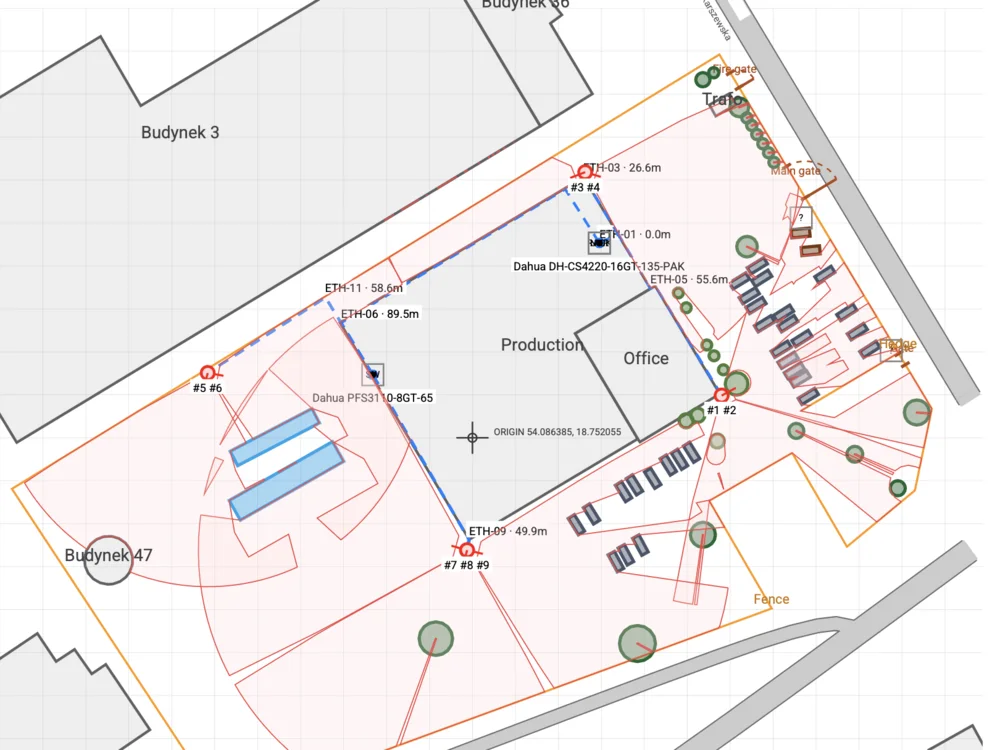
When you use a tool like CCTVplanner, you can simulate the field of view for each camera before you drill a single hole. You adjust the lens, you check the resolution, and you verify that the motion detection zone covers the right area. This saves time and money. But it also saves you from having to explain to a client why their new security camera system still has blind spots.
Bandwidth and Storage: The Hidden Costs
One of the biggest surprises for new designers is how quickly bandwidth and storage costs add up. A single 4K IP camera streaming at 30 frames per second can consume over 100 Mbps of bandwidth. Multiply that by 20 cameras, and you are looking at a serious network requirement. Most small businesses do not have the infrastructure to support that. So you need to make trade-offs.
You can lower the frame rate, reduce the resolution, or use motion detection to record only when something happens. Each choice affects the quality of the surveillance footage. A good video management system lets you set these parameters per camera, so you can prioritize high-traffic areas while saving bandwidth elsewhere. This is where the ipvm concept becomes practical. It is not just about managing video streams; it is about managing the whole system intelligently.
Storage calculation is another area where I see repeated errors. People assume they can just buy a large hard drive and be done. But if you need to retain footage for 30 days, and you have 20 cameras recording at 4K resolution, you need to do the math. A typical 4K camera at 15 fps with H.265 compression might use about 10 GB per day. Twenty cameras for 30 days is 6 TB. And that is before you account for motion detection triggers that could increase or decrease storage usage. A good cctv system design tool will help you run these numbers automatically.
Client Offers and Technical Exports
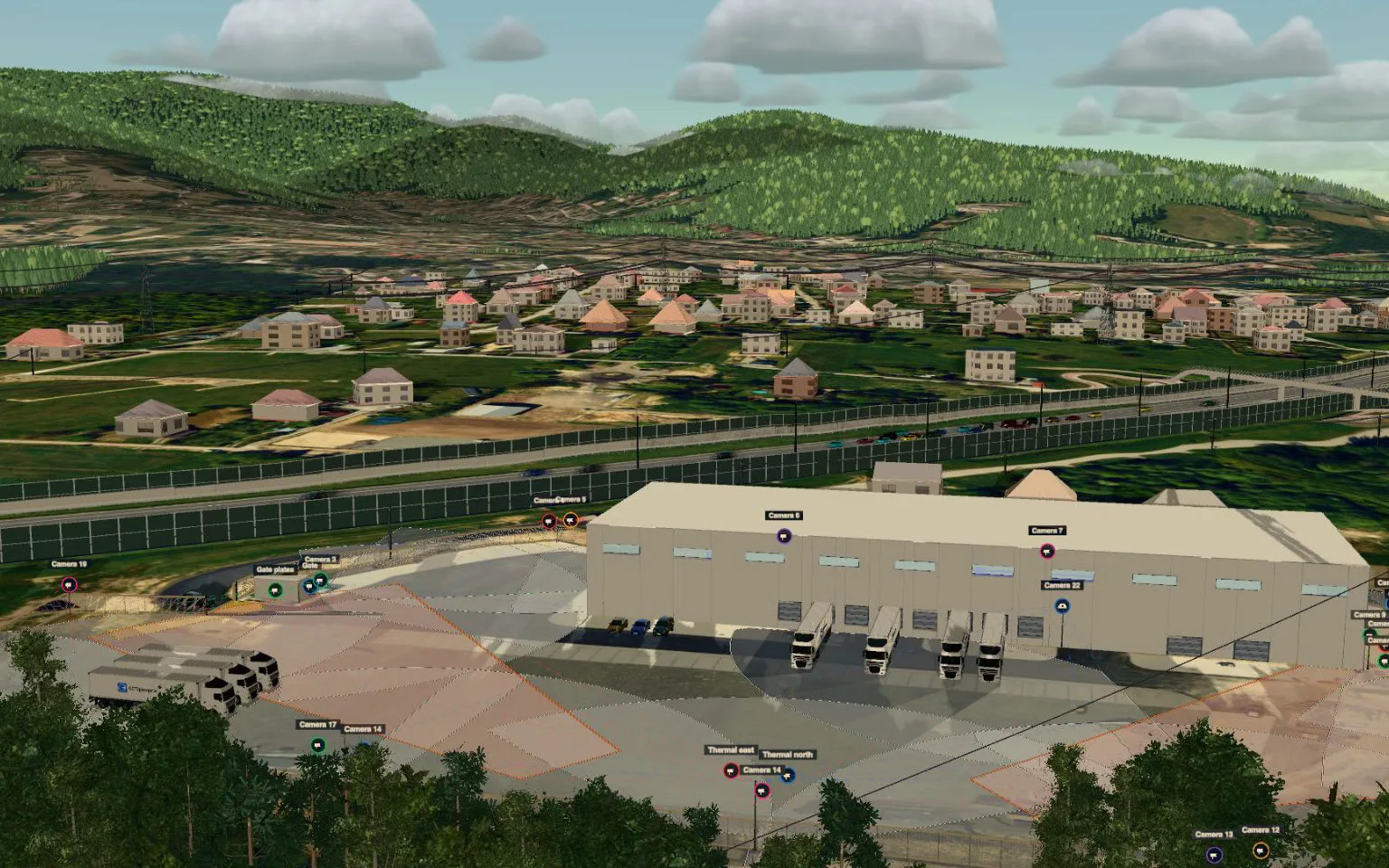
Once you have a design, you need to present it to the client. That is where client offers and technical exports become important. A client offer is not just a price list. It should explain why you placed cameras where you did, what each camera can see, and how the system will perform. I have found that clients are much more likely to approve a proposal when they can see a visual layout of the camera coverage.
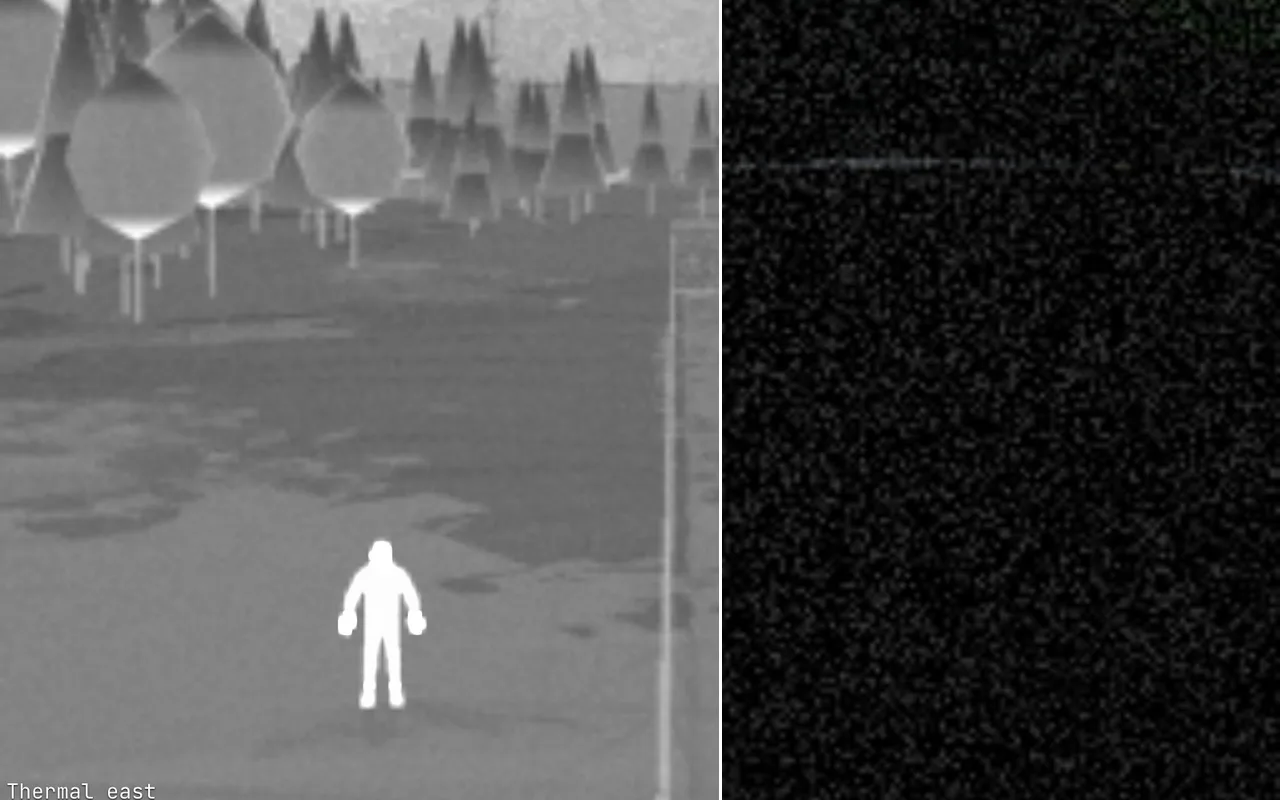
Technical exports are for the installation team. They include details like cable runs, mounting heights, and network switch locations. These documents need to be precise. A small error in a technical export can lead to a lot of rework on site. I once had a project where the export specified the wrong lens for a camera, and the installer had to swap out the entire unit. That mistake cost us a full day of labor.
Using a cctv planner that generates both client offers and technical exports can save you from these headaches. It ensures that what you show the client matches what the installer builds.
IPVM and the Bigger Picture
So where does ipvm fit into all of this? At its core, ipvm is about making the video management system work as a unified platform. It is the difference between having a bunch of cameras that happen to be on the same network, and having a surveillance system that actually helps you monitor and protect a space. When you design with ipvm in mind, you think about how the video management system will handle motion detection alerts, how it will archive footage, and how it will integrate with other security systems like access control.
I have worked with systems that did not use ipvm principles, and they were a nightmare to maintain. Each camera had its own IP address, its own web interface, and its own recording schedule. There was no central way to check if a camera was offline or if its storage was full. That is not a video management system; it is a collection of problems waiting to happen.
A proper ipvm setup gives you a single dashboard to manage everything. You can see the status of every camera, adjust settings remotely, and run reports on system health. For a security camera system that covers a large facility, this kind of centralized control is essential.
Final Thoughts
Designing a CCTV system is not just about picking cameras with high resolution. It is about understanding the whole workflow, from camera placement to storage calculation to client communication. Tools like CCTVplanner make that process easier, but only if you understand the principles behind the design. Concepts like ipvm help you see the big picture and avoid the common pitfalls that lead to bad installations.
Next time you are planning a surveillance project, take the time to model the system before you buy any hardware. Check the field of view, run the bandwidth numbers, and verify the storage requirements. And always think about how the video management system will tie everything together. That is the difference between a system that works and one that just has cameras.